Aromatic Making Coriander and Lemongrass Curry Paste
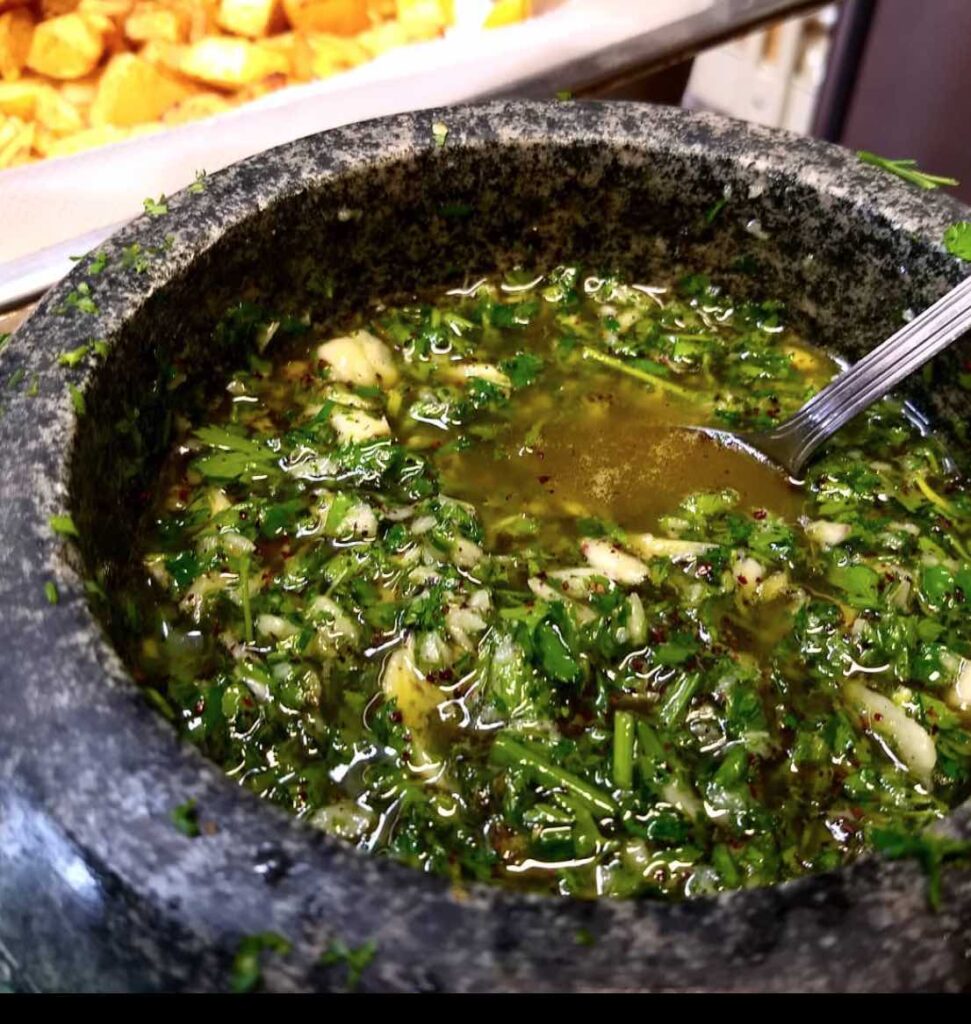
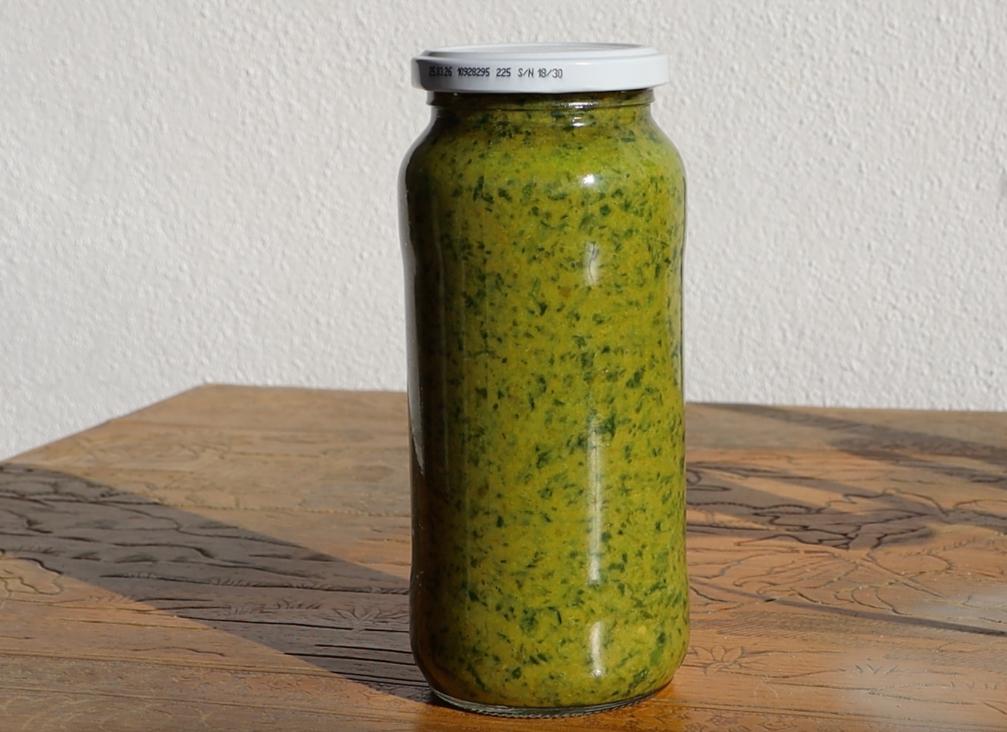
Create a vibrant, flavorful, and aromatic coriander and lemongrass paste completely from scratch! This nutrient-dense curry paste is packed with fresh herbs, spices, and natural oils — with no additives, preservatives, or artificial ingredients. Made with just real, whole foods, it’s a clean, homemade alternative to store-bought curry pastes, delivering maximum flavor and nourishment. Perfect for boosting your curries, soups, and marinades with pure, fresh taste straight from your own kitchen.


Serves:
400 ml jar
Time to Prepare:
30 min

Time to cook or cure:
30 min
Skill
Curry paste making

Serves:
400 ml jar
Time to Prepare:
30 min
Time to cook or cure:
30 min
Skills:
Curry paste pounding

Ingredients & Tools
Ingredients
- 300 ml coconut oil
- 1 large bushel fresh coriander, including stems
- 8 green chilli’s
- 1 handful garlic cloves (about 8 cloves)
- 2 medium onions
- 4 stems lemongrass
- 5 djoeroek purut leaves (kaffir lime leaves)
- 1 tablespoon turmeric powder
- 1 tablespoon cumin powder
- 1.5 tbs salt
Tools
- Pestle and mortar
- Cutting board
- Chef’s knife
- Wok
- Ladle
- Clean 400 ml jar with lid
- Wand mixer
Useful guidelines
Serving Suggestions
Use it as a marinade for vegetables, chicken, or fish.
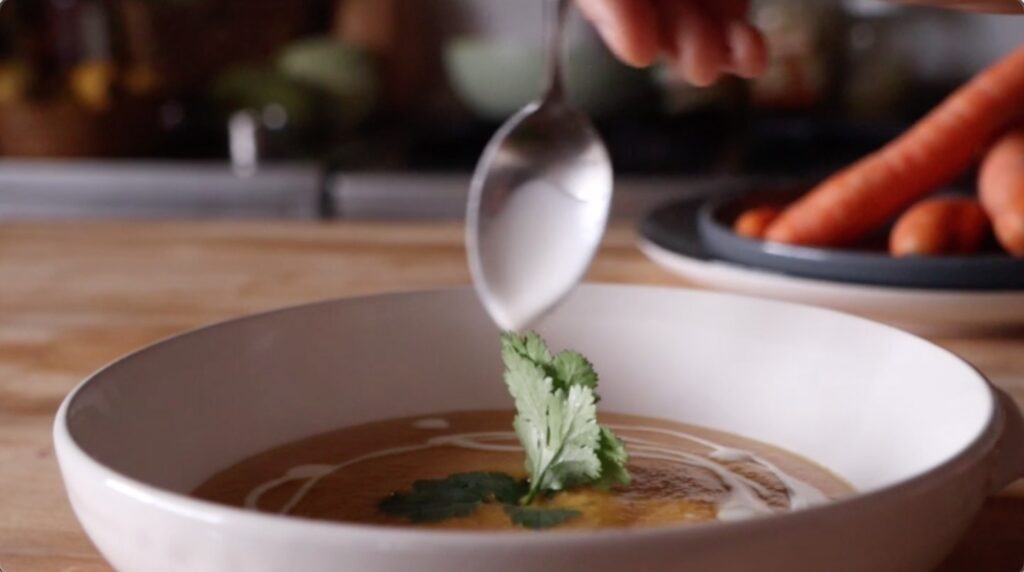
Sauté the paste in a wok for 4-5 minutes and add your curry ingredients. The swirl inside some coconut milk or cream (or normal cream) to create an easy, aromatic curry sauce. You can add another spoon at the end for an extra fragrant and fresh aroma.
Directions
Simply follow these steps in order to make the curry paste
1. Prepare the ingredients.
- Cut off the leaves from the stems. Leave the roots attached to the stems.
- Wash the coriander stems and roots thoroughly.
- Peel the garlic cloves.
- Peel and chop the onions into chunks.
- Trim the lemongrass stems, removing the tough outer layers, and finely slice the tender inner parts very finely
- Tear or cut the lime leaves into smaller pieces.
2. Pound the aromatics.
Using a pestle and mortar, pound garlic, lemongrass, lime leaves, and coriander roots and stems into a coarse paste. This can be done in batched, if you are making a lot. It is important you mix them all together at the end once pounded to a course mush. This doesn’t need to be perfectly smooth — a rustic texture adds great flavor. But if you want it finer, you could blend it all with the wand mixer after pounding.
3. Heat the coconut oil.
In a wok over low to medium heat, gently warm the coconut oil. You want it hot enough to infuse the flavors but not smoking.
5. Cook the paste.
Heat up the coconut oil. Add the onions in to the wok and 4 minutes later the pounded paste. Stir frequently with a ladle to prevent burning. Cook gently for about 7-8 minutes, until the paste thickens slightly and becomes deeply aromatic.
6. Add the dry spices and salt.
Add the turmeric and cumin powder, salt and sauté for another 7 minutes.
7. Mix in fresh coriander leaves
The color should turn army green and golden. Then move it away from the heat and into a tall mixing glass. While still warm (but not hot), add the coriander leaves and mix it all with a wand mixer.
7. Store the paste.
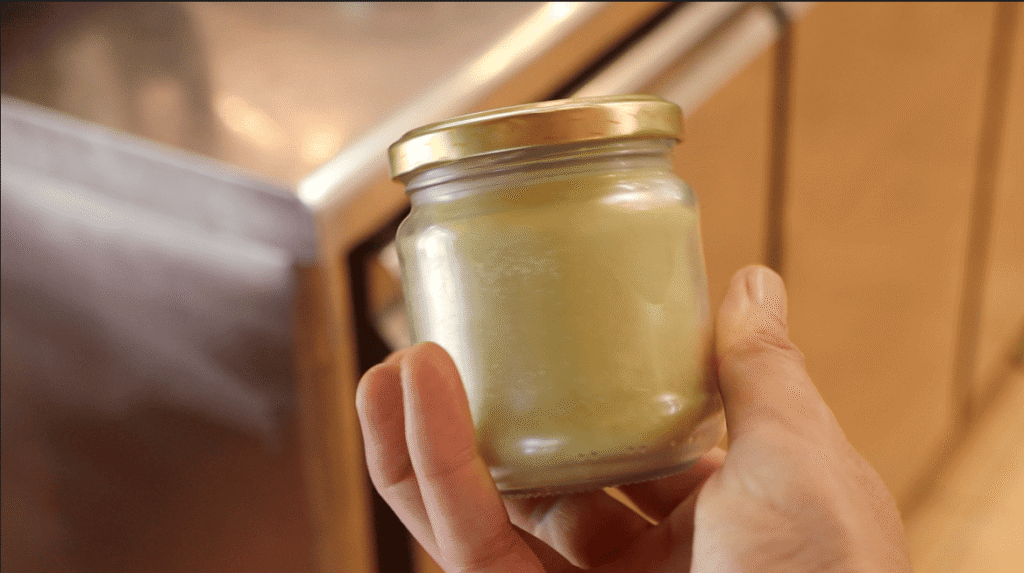
While it is still warm, carefully ladle the paste into a clean and sterile 400 ml jar. Press it down lightly to remove any air pockets. Cover the paste with a little layer of oil. Seal it with the lid.
Storage
Store in the refrigerator for up to 1,5 Month. Or in the freezer for 6 months.
Always use a clean spoon when scooping out the paste to prolong freshness.
Canning is possible under high pressure, but it will change the flavour of the paste and make it slightly less fresh and aromatic.
Fermented Vegetables

Recipe Categories