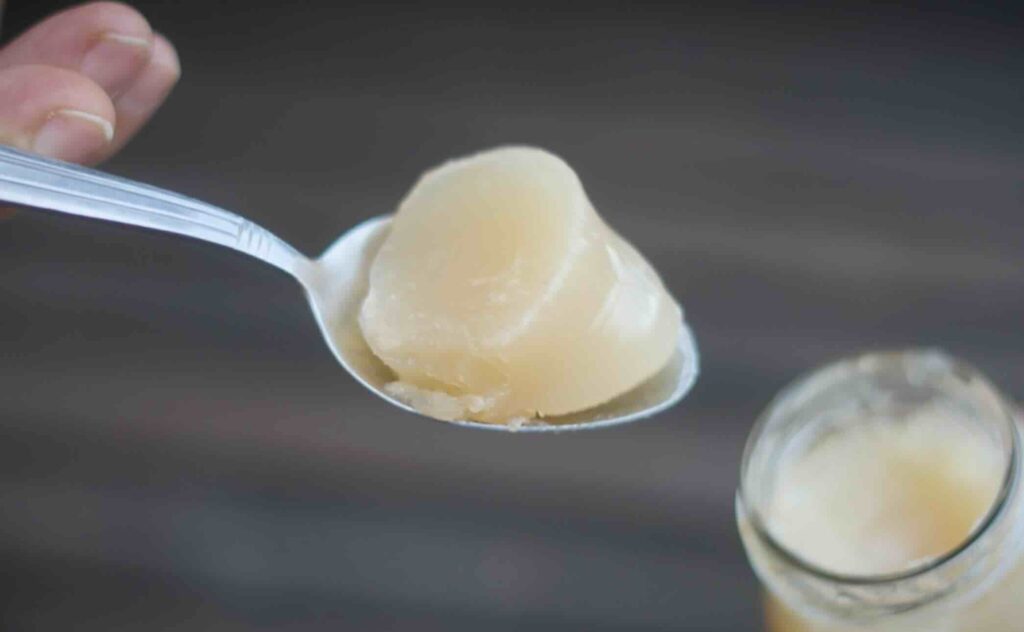
Bone Broth Recipe (Beef or Chicken)
Bone broth is one of those old-world kitchen skills that quietly solves a lot of modern problems: it stretches ingredients, upgrades simple meals, and turns “scraps” into something genuinely delicious.
If your bone broth doesn’t taste like much, doesn’t gel, or feels like a lot of effort for little reward—this post fixes that. You’ll get:
the exact method for deep flavor + maximum gelatin
beef or chicken options
storage and food-safety best practices
and a ready-made video Q&A script for Filipe
Serves:
5 liter/ 1.32 gallon
Time to Prepare:
30 min
Time to cook or cure:
25 hours
Skill
Extraction, broth making
Serves:
5 liter/ 1,32 gallons
Time to Prepare:
25 hours
Time to cook or cure:
24 hours
Skills:
Extraction/ broth making
Ingredients & Tools
Ingredients
Bones (choose one path)
Beef bone broth (best gelatin + depth)
2.5–3.5 kg beef bones (5–7 lb), ideally a mix:
knuckle/joint bones (gold)
marrow bones (flavor)
meaty bones (shank/neck) (body)
Chicken bone broth (faster, lighter, still gelatinous if you use feet/wings)
2–2.5 kg chicken carcasses/bones (4–5 lb)
Optional but amazing: 450 g chicken feet (1 lb)
Aromatics (farm-style)
2 onions, halved (about 300 g / 10 oz)
2 carrots, chopped (about 200 g / 7 oz)
2 celery stalks, chopped (about 150 g / 5 oz)
1 head garlic, halved crosswise
2 bay leaves
A few sprigs thyme/rosemary/parsley stems (optional)
Acid + water
20 ml apple cider vinegar (2 Tbsp)/ 1 liter = 100 ml (0.4 cup)
Cold water to cover bones by 5–8 cm (2–3 inches)
Seasoning (add at the end)
Fine sea salt, to taste
(If you salt heavily at the start, you can’t “unsalt” later.)
Tools
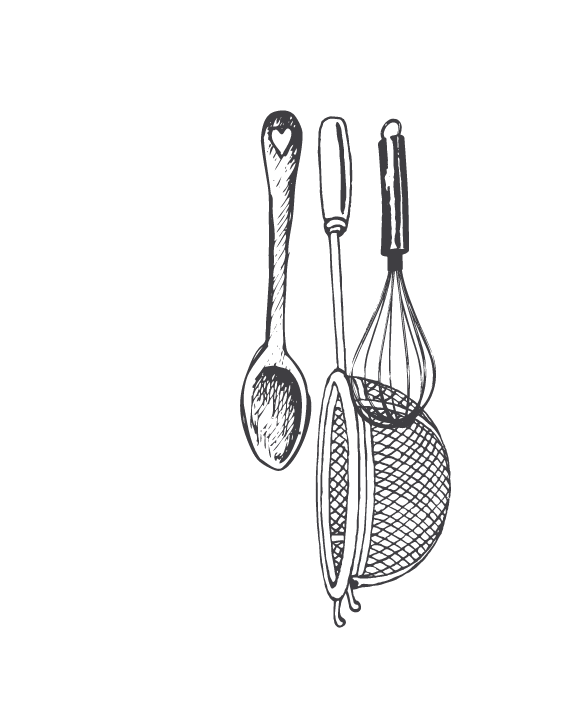
Large stockpot (8–12 liters / 8–12 quarts) or slow cooker
Fine-mesh strainer
Tongs
Large bowl or second pot
Wide, shallow containers for fast cooling (important!)
Useful guidelines
Feeding your Starter
Our Starter is fed 100% Wholemeal Flour, this is to give the bread more flavour as the flour contains the wholegrain. You can use white flour or any other grain you prefer. The best flour for starting end feeding would be rye due to its high nutrient content and levels of naturally present lactobacilli.
Directions
Simply follow these steps in order to make the ultimate bone broth
1) Roast (best for beef, optional for chicken)
Heat oven to 220°C / 425°F
Spread half of the bones on a tray; roast 35–45 minutes, turning once, until deeply browned.
Why: Roasting creates that “restaurant stock” flavor. But beware does make is slightly harder to extract some nutrients. That is why we do half half.
2) Start cold + add vinegar
Put bones into your pot.
Add vinegar.
Cover with cold water.
Let it sit 20–30 minutes before heating. (Low effort, good payoff.)
3) Bring to a gentle simmer (not a boil)
Slowly bring the pot up until you see lazy bubbles.
Skim foam for the first 20 minutes if you want a cleaner broth.
Then keep it at a bare simmer.
4) Add vegetables later (better flavor- more nutrients)
Vegetables can get tired and bitter if cooked forever.
add the aromatics 1 hour before straining the broth
5) Simmer times (choose your level of obsession)
Chicken: 12 hours
Beef: 24 hours (or at least 12 hours if you’re busy and still want great broth)
Keep adding a little hot water if bones start peeking out.
6) Strain
Remove big bones with tongs.
Pour through a fine-mesh strainer into another pot/bowl.
7) Cool fast
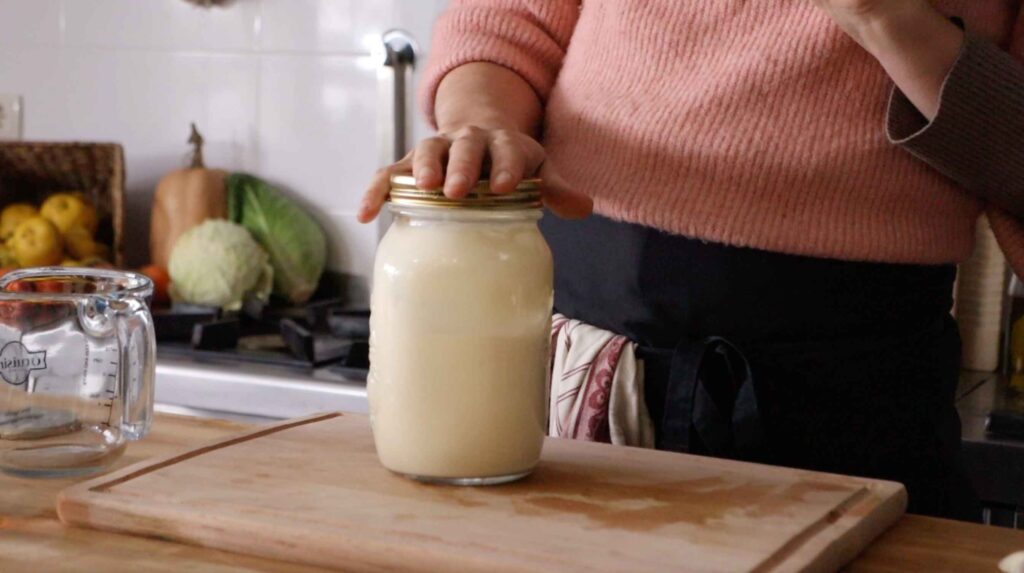
Divide into shallow containers and cool quickly before refrigerating. Or place in glass bottles and let them pull vacuum. Then place in cold water to cool down.
8) Chill, then skim fat (optional)
After a night in the fridge:
A fat “cap” forms on top (especially beef).
Skim for a cleaner broth, or keep some for richness. We do not skim, we love all the fat!
9) Season to taste
Warm a small amount and salt it properly. Bone broth should taste alive, not like warm dishwater.
Storage
Once the bread is baked, let it cool completely on a metal rack. Once it is cool you can start cutting into it. Fresh baked bread is delicious. If you want to keep it from going stale, keep the bread in a cotton bag in a shaded cool place.
PRO TIP:
Frequently asked questions
1) “What’s the difference between bone broth, stock, and broth?”
In real kitchens, people use the terms interchangeably. Technically: stock focuses on bones (gelatin), broth focuses on meat (lighter), and bone broth is basically a long-simmered, collagen-rich stock you can sip.
2) “How long should I simmer bone broth?”
Chicken: 12 hours
Beef: 24 hours for maximum body, or 12 for a solid everyday batch.
Longer isn’t always better if it turns bitter or overly “cooked.”
3) “Do I have to roast the bones?”
No, but roasting (especially beef) makes it darker, deeper, more ‘gravy-adjacent.’ If you want a light broth for sipping and easier extraction of the nutrients, skip roasting.
4) “Why add vinegar?”
A small splash of acid helps pull minerals/collagen-related compounds from bones. You won’t taste it if you keep it modest (about 2 Tbsp per big pot).
5) “My broth didn’t gel. Did I fail?”
Not a failure—just a clue. For gel:
add knuckles/joints/feet/wings next time
simmer gently, longer
reduce a bit at the end
Gel is about collagen-rich parts, not kitchen virtue.
6) “Is bone broth actually high in collagen?”
It can contain collagen-derived gelatine, but the amount varies wildly by bones, time, and dilution. It’s one reason people shouldn’t treat it like a measured supplement. But the rule of thumb is that the more gelatinous the better, and getting a cup in each day is definitely great for you.
7) “Can I drink bone broth every day?”
If it fits your diet and you’re not using it to replace your other meals sure.
8) “What are the best bones to use?”
Beef: knuckle/joint + some marrow + a meaty bone
Chicken: carcass + wings + (best) feet
If you want a broth that sets, chase the joints.
9) “Should I boil it hard to extract more?”
No. A hard boil makes it cloudy and can taste harsh. The sweet spot is a gentle simmer.
10) “How do I keep it safe if it’s been on the stove all day?”
Keep it hot (above the danger zone) while cooking, then cool it fast and refrigerate promptly. The danger zone is 40–140°F / 4–60°C and food shouldn’t sit out more than 2 hours (or 1 hour in very hot conditions).
11) “Can I leave broth out overnight to cool?”
If you want to be completely safe, cool and refrigerate within the recommended window, which is in an hour. placing your metal pan in cold water is a great trick. But if it is winter and you are in cool temp zones. You could also cool it over night.
12) “Why is my broth bitter?”
Common causes:
vegetables/herbs cooked too long (added to early)
too much rosemary (it’s intense)
too high heat
scorched bits on the bottom
13) “Why is my broth greasy?”
Normal—especially beef. Chill it and skim the fat cap. Keep a little for flavor, remove the rest for a cleaner sip.
14) “Can I reuse the bones for a second batch?”
Yes… but it’ll be weaker. First batch is for depth. Second batch is “bonus broth” for rice/beans/soup base.
15) “What’s the best way to use bone broth?”
soups and stews
cooking grains/beans
pan sauces
- risotto
sipping with lemon + salt
Bone broth is basically liquid leverage.
Fermented Vegetables

Recipe Categories