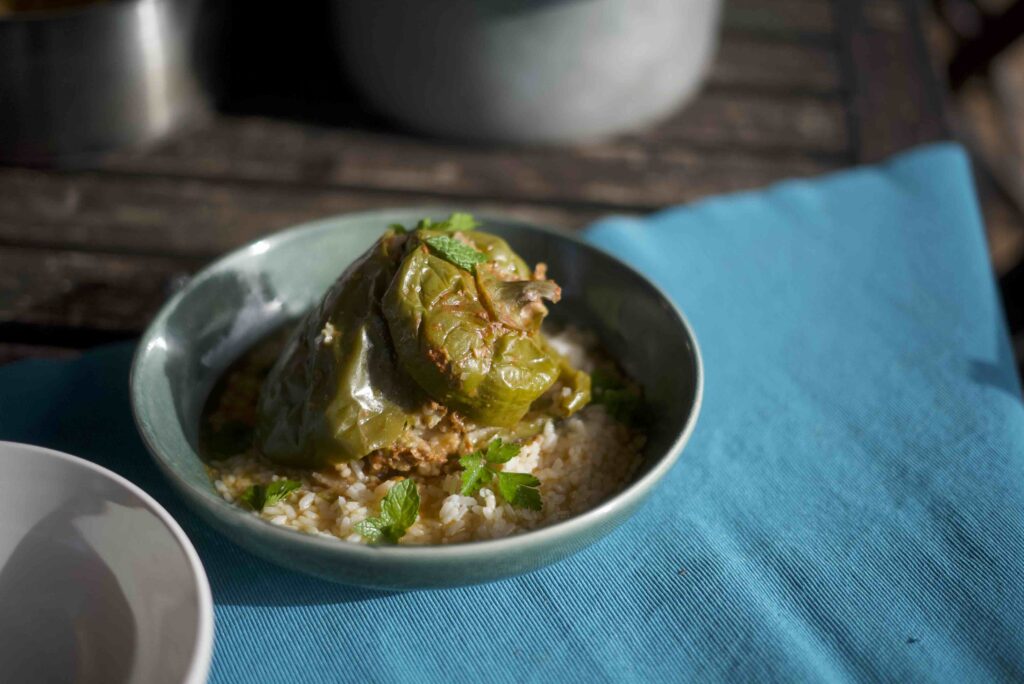
Stuffed Peppers with Rice and Beef (Tender, Fresh & Simmered)
These stuffed peppers with rice and beef are one of the best ways to transform a big harvest of green bell peppers into a nourishing, deeply flavourful meal. Made completely from scratch — with no processed sauces, no MSG packets, and no shortcuts — this recipe gives you 25 perfectly tender stuffed peppers simmered gently in a rich tomato-beef broth.
Serves:
8 people
Time to Prepare:
25 min
Time to cook or cure:
45 min
Skill
Stewing
Serves:
8 people
Time to Prepare:
25 min
Time to cook or cure:
45 min
Skills:
Stewing
Ingredients & Tools
Ingredients
Storage
For the peppers and the filling
- 8 medium green bell peppers
- 750 g minced meat — 1,45 lb
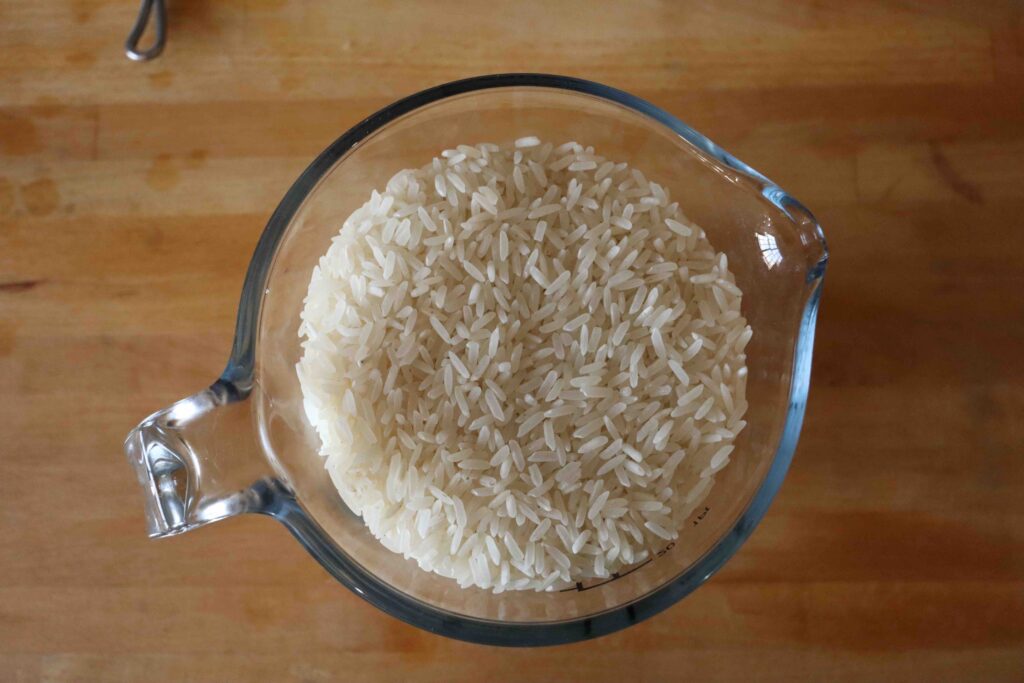
- 240 g long-grain rice — 8.5 oz
- 2 medium onions (approx. 800 g total) — 1.75 lb
- 1/3 tbsp dried garlic powder
- 2/3 tbsp dried thyme
- 2/3 tbsp sweet paprika
- 1/2 tbsp salt
For the tomato beef stock
- 4 L liquid (50% passata + 50% beef stock) — 1.1 gallons
- 500 ml extra passata/stock mix — 2 cups
- 300 ml white wine — 1 ¼ cups
- 6 bay leaves
- 1 tbs salt
- Fresh parsley & mint for serving
Tools
For Preparing & Stuffing the Peppers
Large mixing bowl
Sharp chef’s knife
Small paring knife (for coring peppers)
Cutting board
Measuring spoons
Food processor (optional, for chopping onions quickly)
For Making the Broth
Medium bowl or jug for mixing liquids
Whisk or spoon
For Cooking the Stuffed Peppers
Large deep pot or Dutch oven with lid
Small plate (to weigh down the peppers while simmering)
Baking/parchment paper
Wooden spoon
Heat-resistant tongs (optional, for placing peppers upright)
For Serving
Ladle
Serving platter or shallow bowls
Herb scissors or small knife (for parsley & mint garnish)
Storage Tips
- Keeps 3 days in the fridge
- Reheat gently on the stove
- Not freezer-friendly (peppers become mushy)
Useful Guidelines to Stuffing Peppers
Stuffing peppers well starts with choosing firm, heavy peppers that hold their shape, then washing and thoroughly drying them so the filling isn’t watered down. Cut off just enough of the top to create a clean opening and remove the seeds and white membrane to avoid bitterness. Season the filling generously—peppers contain a lot of moisture, so meat-and-rice mixtures need strong flavours from onions, garlic, herbs, and warm spices. When filling the peppers, don’t pack the mixture too tightly; it needs room to expand while still staying juicy. Always cook stuffed peppers in a moist environment, using broth or tomato sauce to keep everything tender. Keep them upright in a snug pot, using onion slices or a small plate to hold them in place. These simple guidelines lead to stuffed peppers that are flavourful, tender, and beautifully cooked every time.
How to Make Stuffed Peppers with Rice and Beef
Step 1 — Prepare the Peppers
- Wash the peppers well.
- Dry each pepper.
- Slice off the tops (“lids”) and keep them aside.
- Remove seeds and white membranes using a small knife.
Step 2 — Make the Filling
- Finely chop the onions.
- Add onions and minced meat to a large mixing bowl.
- Stir in garlic powder, thyme, paprika, and salt.
- Mix with your hands until everything is well combined.
- Add the rice and mix again.
Step 3 — Stuff the Peppers
- Fill each pepper tightly with the meat-rice mixture.
- Press down to eliminate air pockets.
- Replace the “lids” if you like a rustic look.
- Set aside.
Step 4 — Make the Tomato–Beef Broth
In a jug, whisk together:
- Passata
- Beef stock
- Wine
- Bay leaves
- A pinch of salt
This broth is what makes the peppers impossibly tender and rich in umami.
Step 5 — Cook the Stuffed Peppers
Line the Pot
- Slice 1–2 onions into rings.
- Add a little olive oil to a deep pot.
- Lay the onion rings on the bottom — this prevents scorching.
Add Peppers & Broth
- Stand the stuffed peppers upright on the onion layer.
- Pour the tomato–beef broth over them until ⅔ submerged.
Cover Properly
- Lay a sheet of baking paper directly on top.
- Add a small plate on top of the paper to keep them upright.
- Cover with a lid.
Simmer
Cook on low for 45 minutes, or until the peppers are soft and the filling is cooked through.
Serve Your Stuffed Peppers with Rice and Beef
Top with:
✔ Fresh parsley
✔ Fresh mint
Serve alongside:
- Potatoes
- Rice
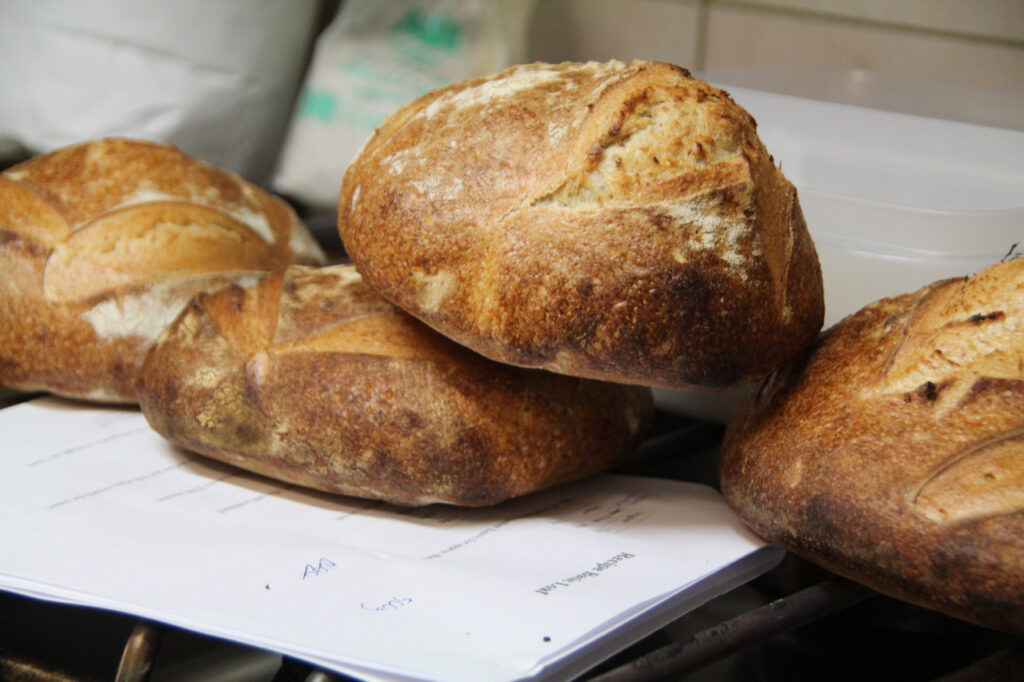
- Crusty sourdough
- Or enjoy them just as they are — tender, juicy, and comforting.
Frequently asked questions
Can I use red or yellow peppers instead?
Yes. Red and yellow peppers are sweeter, but the cooking method is the same.
Does the rice cook inside the pepper?
Absolutely — the broth and meat juices provide the perfect amount of moisture.
Can I leave out the wine?
Yes. Replace the wine with extra stock.
Can I prepare the peppers the day before?
Yes. You can wash, core, and even stuff the peppers the day before. Keep them covered in the fridge. If using rice in the filling, be aware that it will absorb some moisture overnight, so the filling may tighten slightly — this is normal.
Can I mix different colours of peppers?
Absolutely. Red, yellow, and orange peppers add sweetness and a more aromatic flavour. They also soften faster than green peppers, so mixed-colour batches often cook more evenly.
Should I precook the rice before stuffing?
No need. The rice cooks beautifully inside the pepper as it absorbs broth and meat juices. Precooking rice can lead to overly soft, mushy fillings.
Can I use cooked meat instead of raw?
Yes, but the texture will be slightly different. Raw meat binds better with the rice and results in a juicier filling. If using cooked meat, reduce cooking time by about 10 minutes.
Why do my stuffed peppers fall over while cooking?
This usually happens when the pot is too wide. Use a narrow pot that keeps the peppers snug. Adding onion rings to the bottom helps stabilise them, and placing a small plate on top keeps them upright during simmering.
What if I don’t want to use wine in the broth?
You can replace the wine with the same amount of broth or water. The wine adds acidity and aroma, but the recipe still works beautifully without it.
Can I add vegetables to the filling?
Yes! Finely diced carrots, celery, courgette, or chopped pepper tops work well. Make sure any added vegetables are chopped small so the filling cooks evenly.
Can I bake the peppers instead of simmering them?
Definitely. Place stuffed peppers in a deep baking dish, pour broth around them, cover with foil, and bake at 180°C (350°F) for 50–60 minutes.
What’s the best way to reheat leftover stuffed peppers?
Gently reheat them in a pan with a splash of broth or water over low heat, or warm them in the oven covered with foil. Microwaving works but can make the peppers a bit soft.
Can I freeze stuffed peppers?
You can, but the texture changes significantly — the peppers become softer and the rice more mushy. For best results, enjoy them fresh or refrigerated.
Why does the filling sometimes come out dry?
Dry filling usually means the cooking liquid didn’t reach high enough or the pot wasn’t covered tightly. Make sure the peppers are submerged ⅔ of the way and the pot is sealed with baking paper and a lid to trap moisture.
Can I use quinoa instead of rice?
Yes, quinoa works well and gives a lighter texture. Use the same amount as the rice (240 g / 8.5 oz), but rinse it well before adding.
Fermented Vegetables

Recipe Categories