Fermented Kohlrabi Recipe | Easy Crunchy Probiotic Preserve

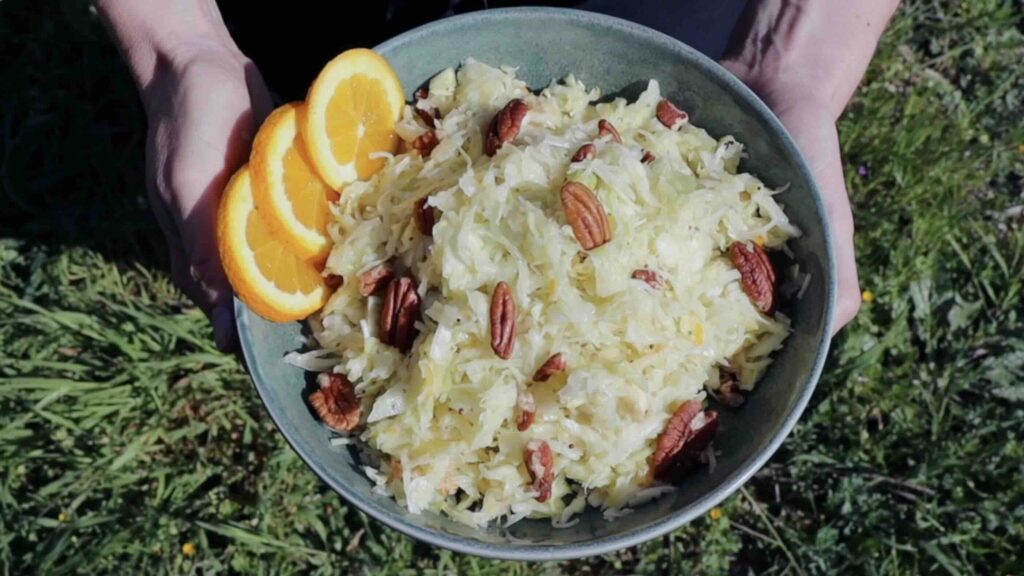
Learn how to make fermented kohlrabi at home with just a few simple ingredients. This easy lacto-fermented recipe transforms fresh kohlrabi into a tangy, crunchy, probiotic-rich preserve that is delicious alongside sandwiches, salads, roasted meats, and farm-to-table meals.

Cooking gear

Making Fermented Kohlrabi Recipe
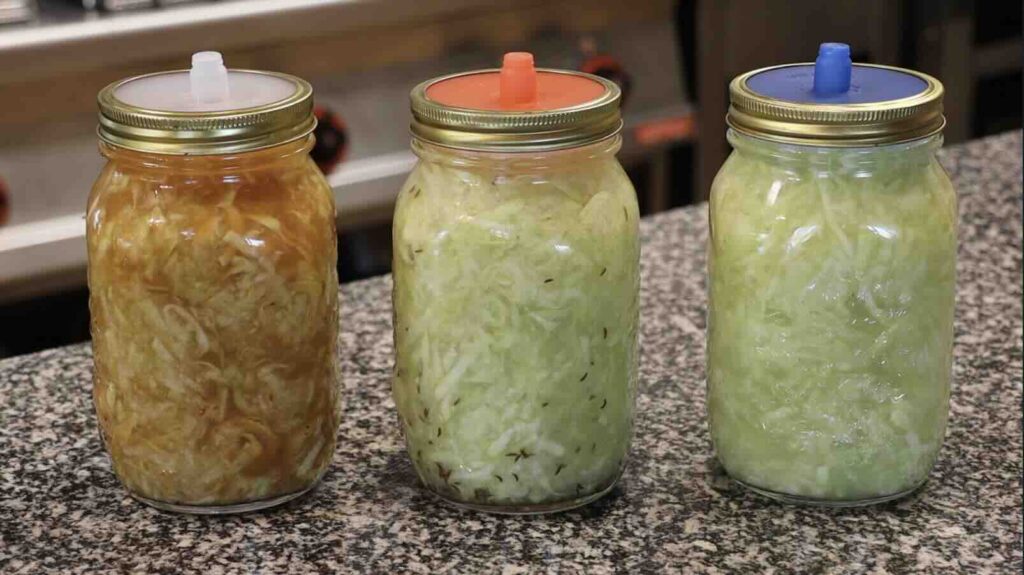
If you grow kohlrabi in your garden, chances are you’ve experienced that moment when several beautiful bulbs are ready all at once. While kohlrabi stores reasonably well, one of the best ways to preserve its crisp texture and mild sweetness is through lacto-fermentation.

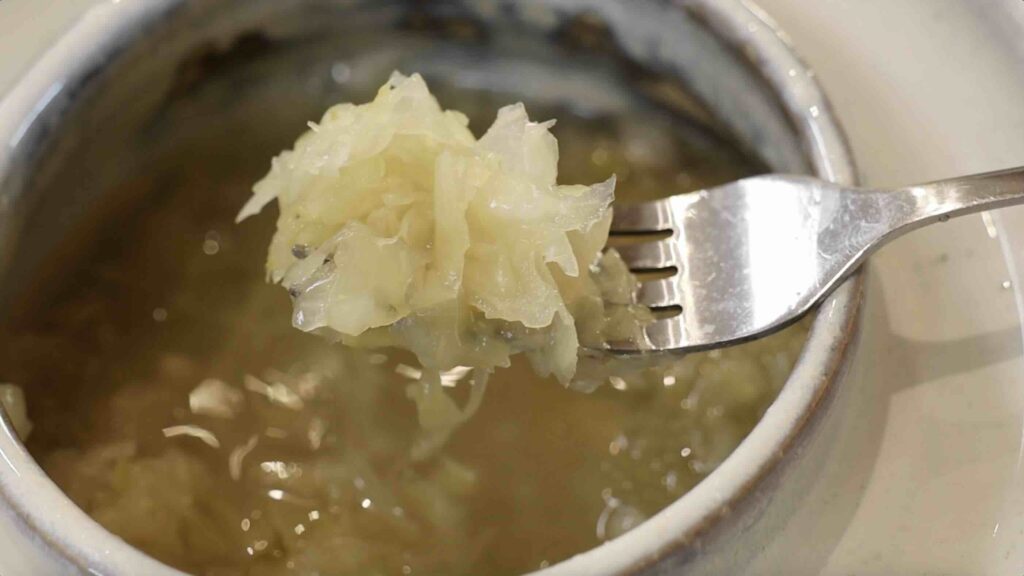
This grated kohlrabi ferment transforms a humble vegetable into a vibrant, probiotic-rich condiment that can be enjoyed for months. The fermentation process deepens the flavor, creating a pleasantly tangy kraut-like preserve that pairs beautifully with roasted meats, grain bowls, salads, sandwiches, cheeses, and eggs.

Unlike vinegar pickles, this traditional preservation method relies on naturally occurring beneficial bacteria. The result is a living food that develops complexity over time while retaining much of the vegetable’s fresh character.

Whether you’re new to fermentation or already have bubbling jars lining your kitchen counter, this recipe is simple, reliable, and a wonderful way to make the most of a kohlrabi harvest.
 

servings

Serves:

3x 1L jars

breadboard

Time to Prepare:

30 min

hour glass

Time to cook or cure:

3-7 days

Skill

Skill

Fermentation 

servings

Serves:

3x 1L jar

breadboard

Time to Prepare:

40 min

hour glass

Time to cook or cure:

3-7 min

Skill

Skills:

Fermentation

Cooking gear

Ingredients & Tools

Ingredients

For the natural ferment:

  • grated kohlrabi
  • 2.5 % of that weight in salt

For the carraway ferment:

  • grated kohlrabi
  • 1 tbs carraway per 800 gr kohrabi
  • 2.5 % of that weight in salt

For the chilly, coriander and loquat ferment per 800g kohlrabi:

1 tbs coriander seed
– 3 chilli’s
– 3 garlic cloves
– 1 tbs paprika powder

Tools

  • grater
  • bowls
  • scales
  • knife
  • board
  • 1 l glas jars (3)
  • fermentation lids

Useful guidelines

Serving Suggestions

Grated kohlrabi ferment pairs beautifully with:

  • Roast chicken
  • Grilled sausages
  • Farm eggs
  • Cheese boards
  • Sandwiches and wraps
  • Grain bowls
  • Potato dishes
  • Bean stews

It can also be stirred into salads just before serving for a fresh acidic lift.

Directions

Simply follow these steps in order to make  the kohlrabi ferments

Step 1: Prepare the Kohlrabi

Wash the kohlrabi thoroughly.

Remove the tough outer skin using a vegetable peeler or knife.

Grate the bulbs using the coarse side of a box grater or a food processor fitted with a grating attachment.

Place the grated kohlrabi into a large bowl.


Step 2: Add the Salt

Weigh the grated kohlrabi.

Add salt equal to 2,5% of the total vegetable weight.

For example:

  • 500 g kohlrabi = 12.5 g salt
  • 1 kg kohlrabi = 25 g salt
  • 1.5 kg kohlrabi = 37.5 g salt

Sprinkle the salt evenly over the grated vegetables.


Step 3: Massage the Vegetables

Massage the salt into the kohlrabi for 5–10 minutes.

As you work the mixture, moisture will begin to release naturally.

The grated kohlrabi should become glossy and slightly softened.

Allow it to rest for 10 minutes if additional liquid is needed.


Step 4: Add Flavorings

If using herbs, spices, garlic, or chilli, mix them in thoroughly at this stage.


Step 5: Pack the Jar

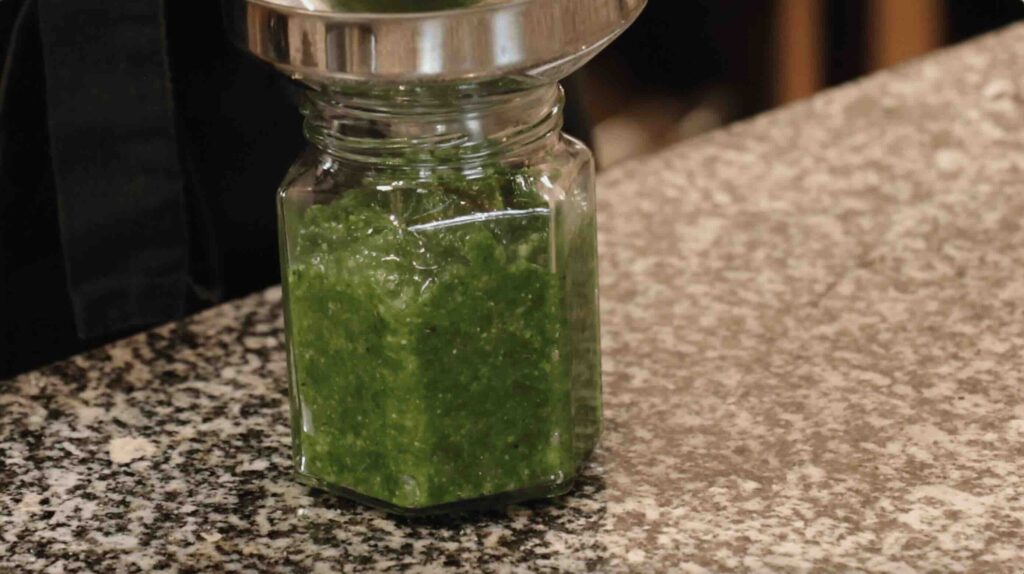
Transfer the mixture into a clean glass jar.

Press firmly after each handful to eliminate air pockets.

Continue packing until all the vegetables are in the jar.

The released brine should rise above the vegetables.

Leave approximately 3–5 cm (1–2 inches) of headspace.


Step 6: Keep Everything Submerged

Place a fermentation weight on top.

All vegetable matter should remain below the brine to prevent mold formation.

If necessary, add a small amount of 2% salt brine.


Step 7: Ferment

Cover the jar with:

  • A fermentation lid
  • An airlock
  • Or a loosely fitted lid

Place the jar out of direct sunlight at:

18–24°C (64–75°F)

Ferment for:

  • 7 days for a mild ferment
  • 14 days for balanced flavor
  • 21 days or longer for a deeper tang

Taste periodically until the flavor suits your preference.


Step 8: Store

Once fermentation is complete, seal the jar tightly and move it to the refrigerator or a cool cellar.

The flavor will continue to mature slowly.

Storage

Once the bread is baked, let it cool completely on a metal rack. Once it is cool you can start cutting into it. Fresh baked bread is delicious. If you want to keep it from going stale, keep the bread in a cotton bag in a shaded cool place. 

PRO TIP:

Frequently asked questions

What does fermented kohlrabi taste like?

It tastes similar to sauerkraut but milder and sweeter. Kohlrabi develops a refreshing tang while retaining some of its natural cabbage-like sweetness.

Can I ferment kohlrabi without cabbage?

Absolutely. Kohlrabi contains plenty of natural sugars and beneficial bacteria to ferment successfully on its own.

How long should I ferment kohlrabi?

Most people prefer the flavor after 10–14 days, though some fermenters leave it for several weeks to develop a stronger tang.

Can I add other vegetables?

Yes. Carrots, cabbage, radishes, turnips, beetroot, and apples all combine beautifully with kohlrabi.

Is fermented kohlrabi healthy?

Lacto-fermented vegetables contain beneficial bacteria and organic acids created during fermentation, making them a wonderful addition to a diverse diet.

Can I freeze fermented kohlrabi?

You can, but freezing destroys much of the texture and beneficial live cultures. Cold storage is generally preferred.

Ready to Recharge and Enjoy Real Food in Nature?

Cook, connect, and grow in the heart of our regenerative farm.
Real food. Deep rest. Lifelong memories.

JOIN OUR NEWSLETTER!

GREAT!
You will be hearing from us

Skill