Fried Okra – 2 Ways
Made with a unique 7-spice blend, including aromatic cardamom, smoky paprika, and zesty cayenne, each bite offers a delightful sensory experience. Whether you prefer a light dusting or a thicker batter, we guide you step-by-step to achieve golden-brown perfection. Ready to elevate your snacking game? Grab some okra and let’s get frying!”

A tasty snack
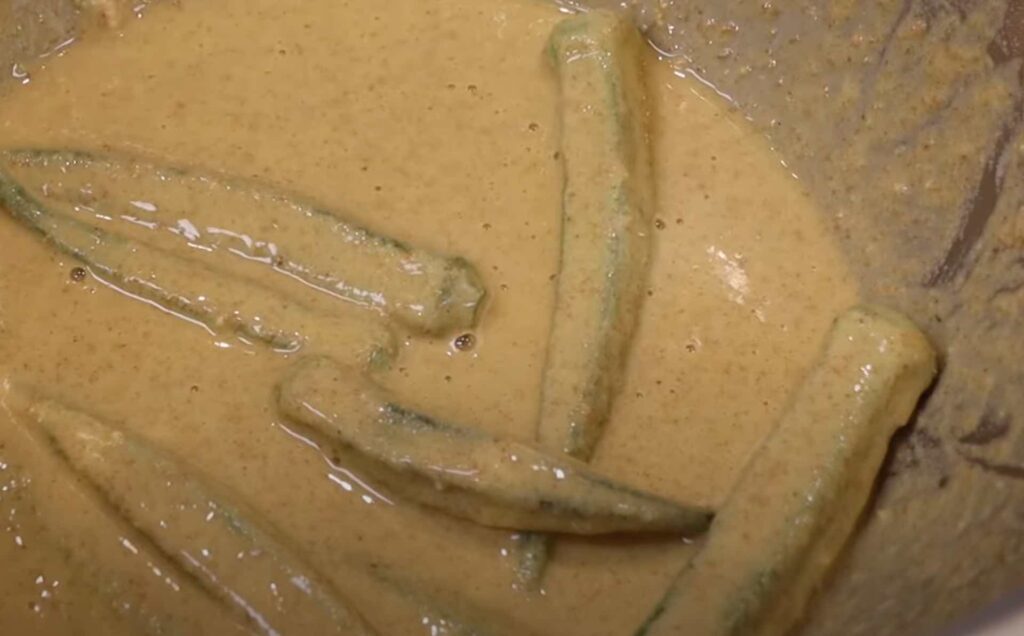
For optimal deep-frying, maintain an oil temperature between 350°F to 375°F (175°C to 190°C). This ensures food cooks evenly: golden and crispy on the outside, while fully cooked inside, without absorbing excess oil.

Serves:
6 people
Time to Prepare:
15 min

Time to cook or cure:
10 – 15 min
Serves:
Frying

Serves:
6 people
Time to Prepare:
10 min
Time to cook or cure:
10-15 min
Skills:
frying

Ingredients
For the light Coating
- 14 tender okra (lady fingers) clean and dry
For the light Coating
- 00 g of plain flour
- ½ tsp salt
- 1 tsp 7-spice mix
For the thicker batter
- 180 g flour
- 2 eggs
- 1 tsp 7-spice
- Salt
If you are making your own 7 spice mix
- 1/2 tsp ground cinnamon
- 1/4 tsp cardamom (or cloves)
- 1 tsp ground coriander
- 1 1/2 tsp ground turmeric
- 1/2 tsp ground ginger
- 2 tsp smoked paprika
- 2 tbsp ground cumin
- 1/8 tsp cayenne pepper (or 1/2 tsp ground black pepper)
Useful guidelines
Feeding your Starter
Our Starter is fed 100% Wholemeal Flour, this is to give the bread more flavour as the flour contains the wholegrain. You can use white flour or any other grain you prefer. The best flour for starting end feeding would be rye due to its high nutrient content and levels of naturally present lactobacilli.
Optimum Proving Temperature
Yeast works best at 24C. This can be hard to control at home therefore as a general rule use warm water in the winter and cold/ room temperature water in the summer.
Adding Salt to Bread
Salt is important to add flavour to bread however it is also used to control the activity of the yeast. Adding the salt 20-30 minutes after the first mix gives the yeast a head start.
Folding
Most bread is kneaded to create strong gluten. However, with slow fermentation folding allows the gluten to be formed over a longer period. This process is called autolyse. Water in contact with flour will activate the enzyme that starts to turn the protein glutanine into strong gluten strands.
Shaping
Place your dough on a slightly wet worktop. Knock back the dough while shaping it into a rectangle. Fold the edge furthest away from you 2/3rd of the way down and press into the dough. Fold the edge nearest to you on top and press again. Gently stretch out the dough (left to right), and then fold the left edge 2/3rd of the way and then the right side, pressing firmly. Start by rolling the edge nearest to you away from you. You want to create enough tension on the surface to give the loaf a good shape without tearing the gluten.
Baking
It is important to preheat your oven. If you are planning on using either a baking tray or stone it is also important to preheat these. If you oven does not have a steam setting then place a pan of boiling water in the oven during the preheating.
Directions
Simply follow these steps:
For the lighter batter:
- Trim the tough ends of the okra.
- Mix the dry ingredients for the light coating and toss the cleaned okra in it.
- Fry in hot oil (175-190 C/ 350-375F)
For the lighter batter:
- For the thicker batter, combine flour, eggs, spices, and salt in a bowl.
- Dip the cleaned and trimmed okra into the batter, then place them one by one into the hot frying oil.
- Fry until the batter is golden brown.
- Drain well and move to a bowl lined with greaseproof paper. Sprinkle with salt for seasoning.
Storage
They are best eaten directly after frying.
PRO TIP:
Mix up your spice choices to make this recipe your own!
Facebook
Youtube
Instagram
Print Recipe
Building Flavour: learn how!
Cured Meats
Dairy Products
Fermented Vegetables

Recipe Categories
Latest videos
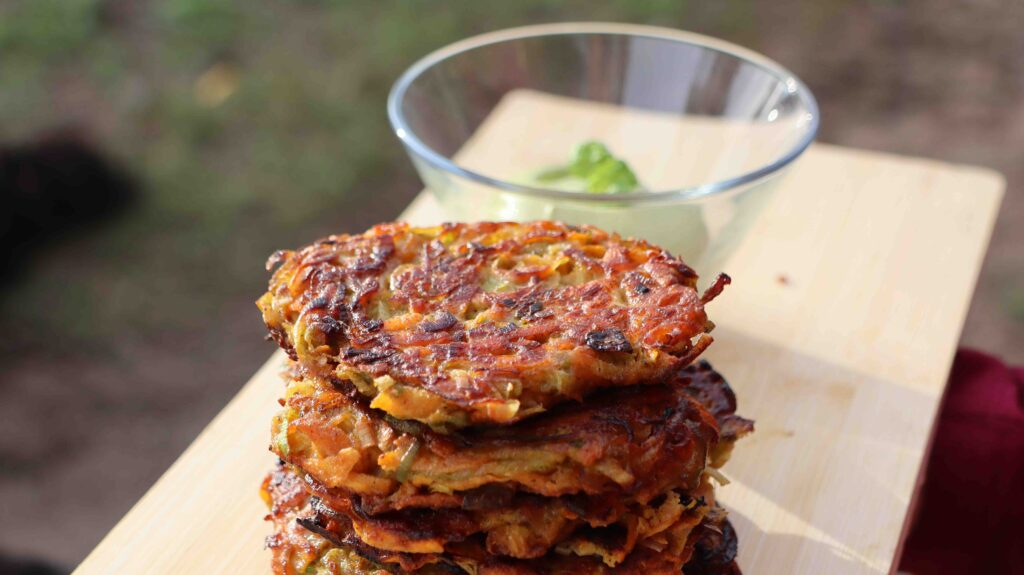
How we grow our leeks
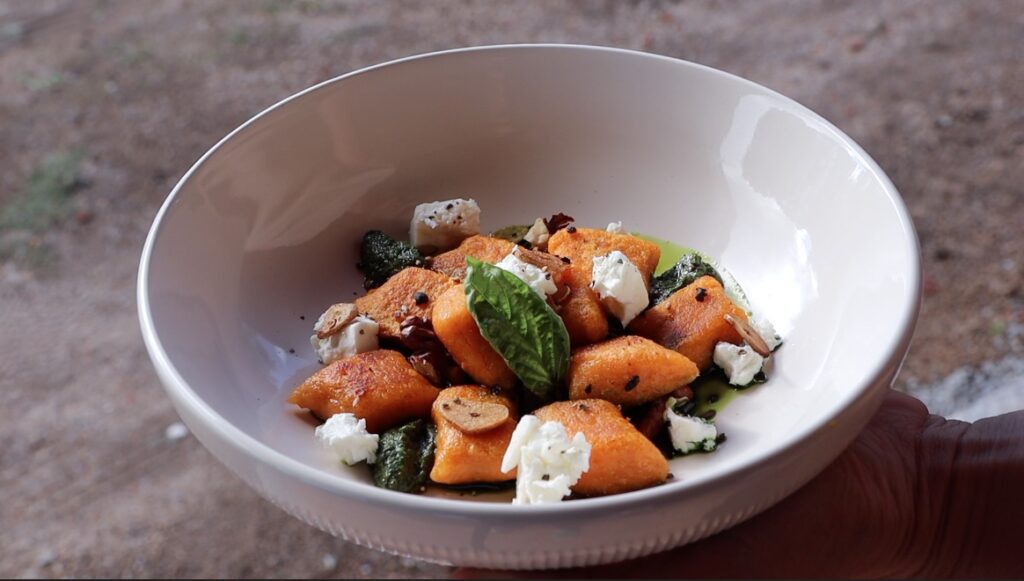
Sweet potato and basil oil
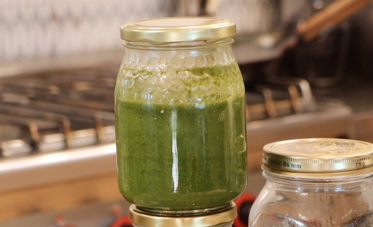
Basil and walnut spread
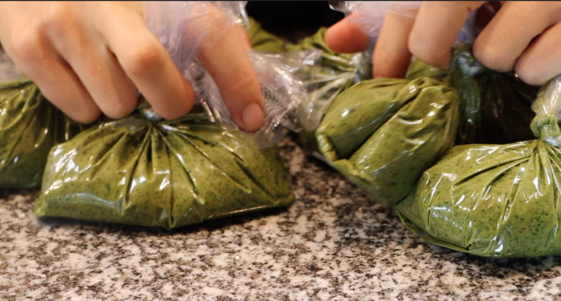
Basil and Almond Spread
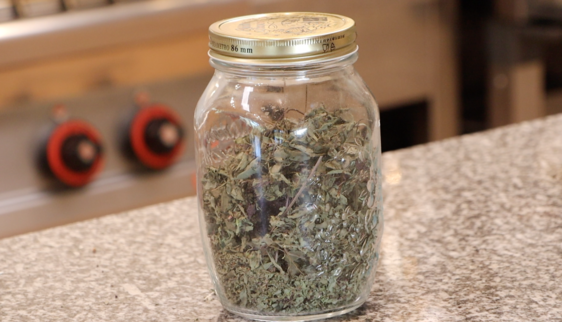
Dried basil
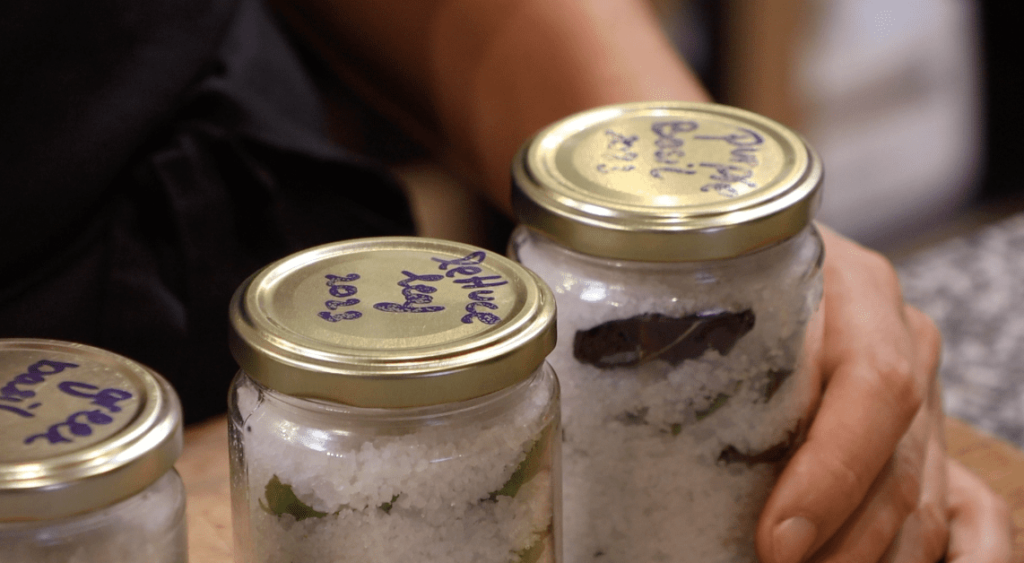
Basil Salt Preserve
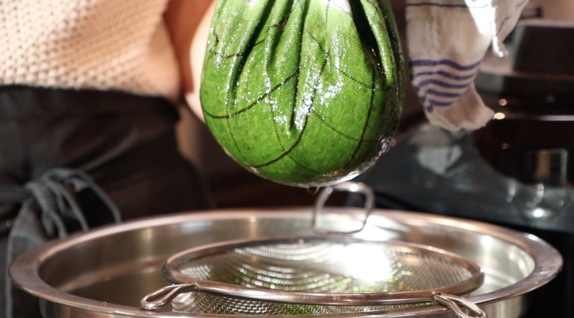
Basil Oil
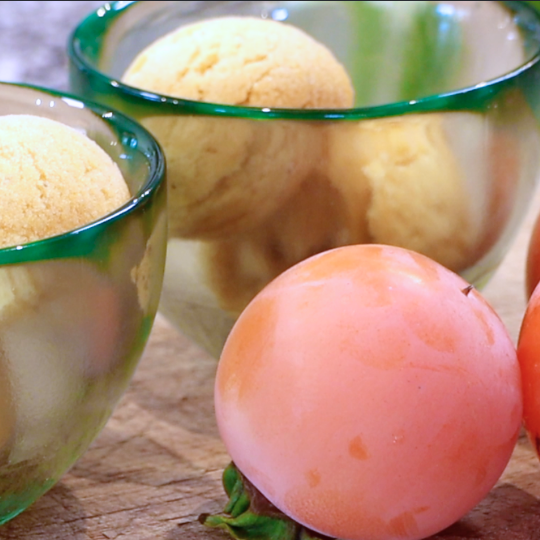
No ice cream machine- Persimmon
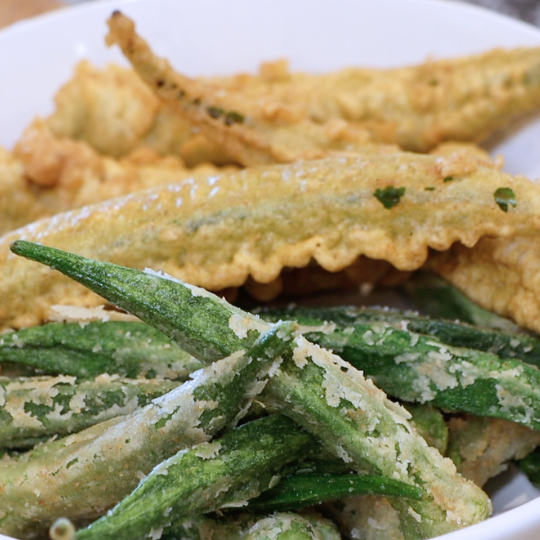
Fried Okra – 2 ways
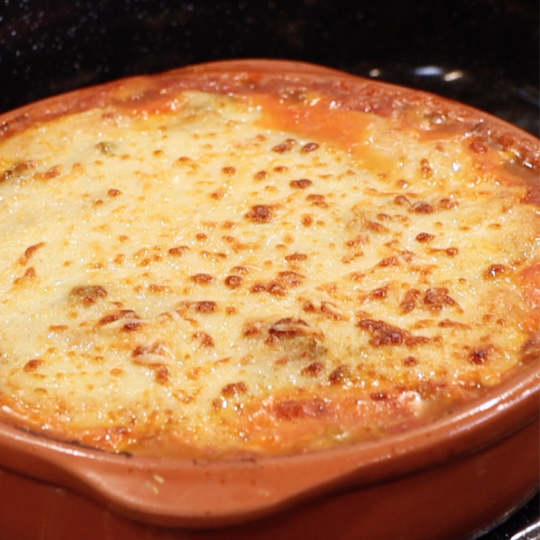
Spicy Romana Beans
Latest Recipe Posts
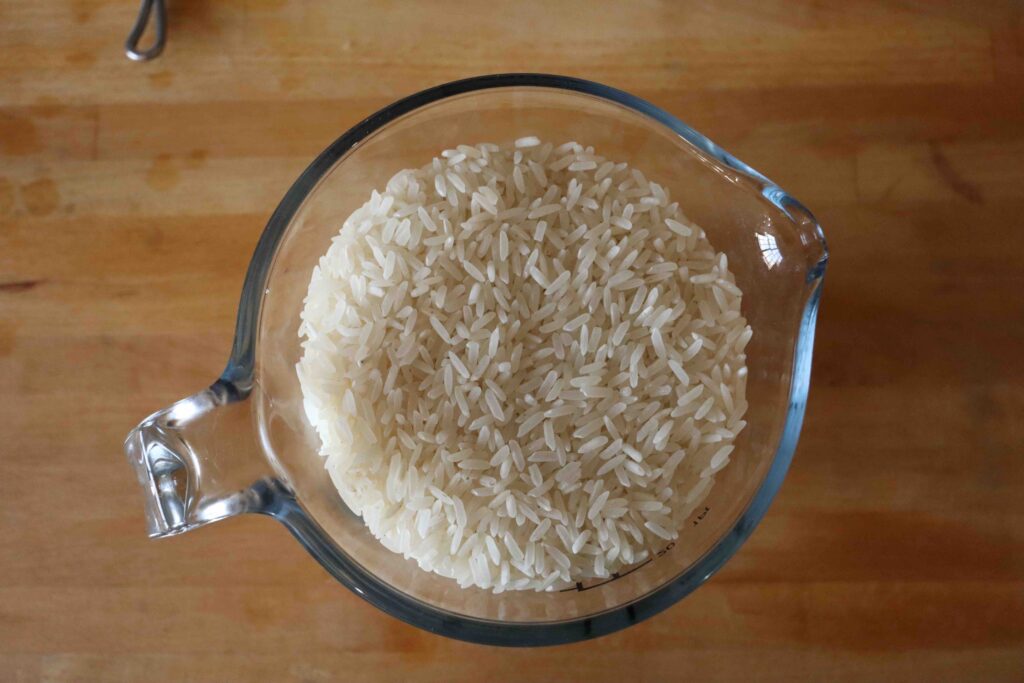
Simply fantastic white rice
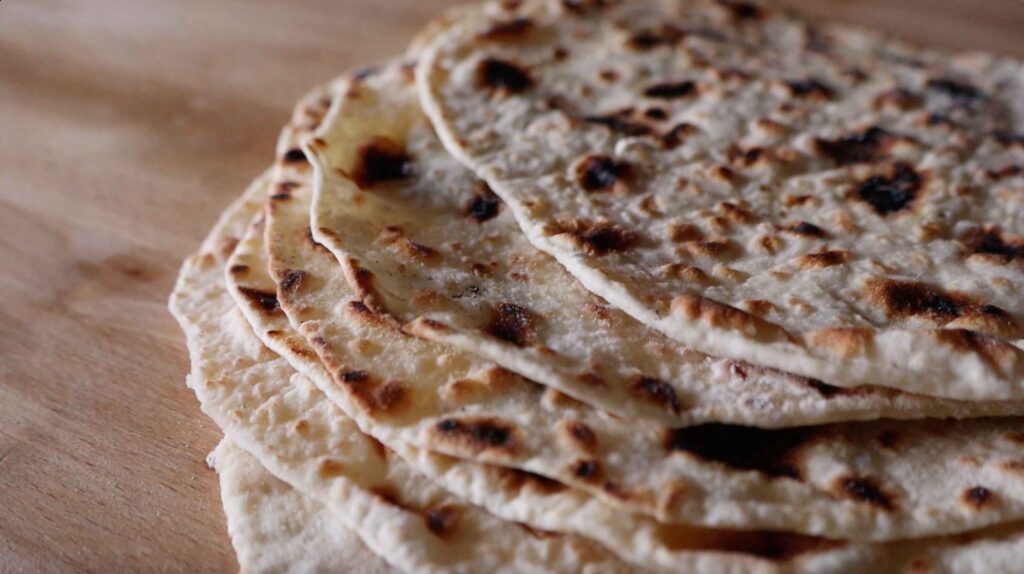
Pliable Flatbreads
Sweet Potato & Curry Soup
Basic Herb Vinaigrette
Basic Soft Boiled Egg
Whole Egg Mayonnaise